


Raider: Origin
3.92.78K Reviews
App Specs
- Version
- 1.32.9
- Updated On
- License
- Free
- Downloads
- 1,000,000+
- Developer
- 4399 Games
- Categories
- Action
- Platform
- Android
Screenshots


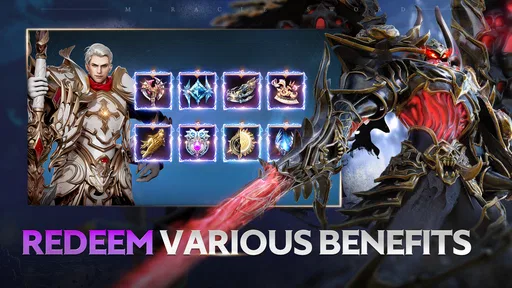
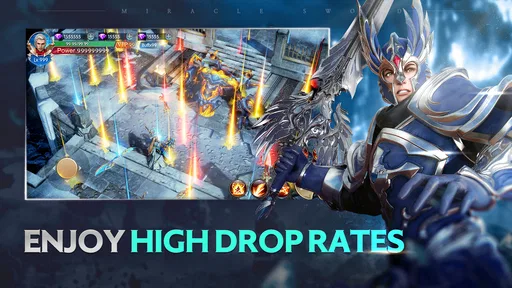

 Analysis by AppCompare
When I first stumbled upon Raider: Origin, I wasn't quite sure what to expect. With so many mobile games out there, it takes something truly special to stand out. Luckily, this game packs a punch with its unique blend of action, adventure, and RPG elements. Let me take you through my experience with this intriguing title.
How I Settle Into a Session
I get the most from this action RPG when I treat each session as a short loop rather than trying to clear everything at once: check where my character is, choose one immediate objective, and then decide whether I have time to keep going. That simple habit makes the game easier to pick up between other tasks and less likely to turn into aimless tapping through menus.
For a practical routine, I start with the next quest or combat goal that is already in front of me, then pause to look at what the rewards mean for my character. If an upgrade changes how I fight, it is worth noticing before heading into another encounter. If it is only a small improvement, I can keep playing and revisit the equipment screen later. This keeps progression tied to decisions instead of making every brief session feel like inventory management.
Settings and Choices Worth a Look
I would check the available control and display options early, especially if I am playing on a smaller screen or prefer a less busy layout. Even when a game’s default setup is perfectly usable, a quick adjustment can make repeated combat feel more comfortable. I also make a point of checking the sound level before playing somewhere quiet; that is a mundane detail, but it is the sort of thing that makes a mobile game easier to fit into daily life.
Character choice deserves a similar pause. The original experience presents different classes, so I would pick based on the combat rhythm I enjoy rather than chasing the idea of a universally best option. A player who likes getting close to enemies may find a warrior more natural, while someone who prefers distance or magical abilities may settle more comfortably into another style. The useful question is not which class sounds strongest, but which one I will still enjoy controlling after several sessions.
Small Habits That Make Progress Smoother
A helpful habit is to compare equipment in context. A higher-looking reward is not automatically the right choice if it does not suit the way I have been playing, so I consider whether the change supports my current approach before replacing familiar gear. I also avoid spending every new resource as soon as it appears. Holding back briefly gives me room to make a more informed choice when a clear upgrade or harder encounter gives the decision meaning.
Questing works better for me when I group nearby goals instead of treating every task as a separate trip. If the game’s current objectives point me toward the same area or a similar kind of fight, I can make progress on more than one front during a single stretch of play. I would still follow the game’s guidance rather than assume that every objective can be combined, but scanning the quest list first helps prevent unnecessary backtracking.
Worth Reading Before You Choose

Flipboard Shows What News Apps Must Do Beyond the Feed

Switching to Android Auto Means Rethinking Your Driving Routine

Google Calendar Makes a Crowded Week Easier to Manage

Ludo King Makes the Most of the Minutes Between Plans

Baby Panda World Brings Quick Play to Modern Phones, but Its Game Library Feels Busy

ESPN’s Live Game View Makes Following Close Games Easier
Where the Game’s Rhythm May Not Suit You
The familiar RPG loop—fight, earn progress, adjust a character, and take on another challenge—is satisfying when I want steady development. It can feel repetitive, though, if I am looking for a compact action game with a clear finish and little time spent on character management. Raider: Origin is better approached as an ongoing mobile RPG than as a brief, tightly scripted action experience.
There is also a difference between enjoying a multiplayer option and needing one. Playing with others can add energy to dungeons, guild activity, and competitive encounters, but a person who wants a completely solitary adventure may not care about those parts. I would choose it for social play only if I actually wanted to coordinate with other players; the presence of community features is not, by itself, a reason to join a guild or make every session a group session.
Who I’d Recommend It To
I think this is a good fit for players who like watching a character develop over repeated visits, enjoy fantasy combat, and appreciate having both individual quests and shared activities available. It is also a reasonable choice for someone who wants to try a free mobile RPG before deciding whether it deserves a regular place on their phone. The game is free to download, while in-app purchases range from $0.99 to $99.99 per item, so I would set a personal spending limit in advance and treat purchases as optional rather than as part of the basic decision to try it.
I would steer away from it if I wanted a fully self-contained campaign, a game that asks for no attention to equipment or progression, or an experience with no optional spending at all. The age rating is Everyone 10+, which is useful context for families, but I would still make the purchase settings on a shared device clear before handing it over. It is better to decide those boundaries before a game’s upgrade prompts become part of a routine.
A Realistic Everyday Use
Imagine I have a short break and want something more involved than a one-minute arcade round, but I cannot commit to a long uninterrupted session. I can open the game, focus on a quest or a manageable combat objective, review any useful reward, and stop when my break ends. Later, if I have more time, I can explore further or see whether a multiplayer activity appeals. That flexibility is the main everyday advantage for me, provided I am comfortable returning to an ongoing progression loop rather than expecting each session to stand alone.
Before playing on the move, I would also consider whether the current situation is suitable for a game that asks for visual attention and active input. It is a better fit for a proper break than for distracted play while walking or doing something else. At home, a longer session makes more sense when I want to compare gear or spend time with other players; during a quick pause, I would keep the goal simple and leave deeper decisions for later.
How It Compares With Other Mobile RPGs
Compared with a short-session arcade action game, Raider: Origin puts more weight on building a character and returning to a continuing fantasy adventure. Compared with a story-first RPG, its appeal is less about expecting a tightly authored plot to carry every moment and more about the blend of combat, quests, equipment, and player interaction. That balance is useful if I want several ways to spend time in one game, but less attractive if I am specifically after a concise narrative or a clean, skill-only combat challenge.
It also differs from a purely solo role-playing game because its social side is part of the attraction. I would not assume that multiplayer automatically makes it better: it depends on whether I enjoy coordinating, competing, or simply seeing other players in the experience. Someone who prefers to set their own pace without community obligations may get more from a single-player alternative, while a player who enjoys guild goals and shared encounters has a reason to consider this one.
First Impressions and Gameplay
Firing up Raider: Origin for the first time, I was immediately struck by the game's vibrant visuals. The graphics are crisp and colorful, which makes exploring the vast world a real treat for the eyes. The developers have done a stellar job at creating a visually appealing environment that draws you in from the get-go.
The gameplay itself is a blend of classic RPG mechanics with modern action elements. You start by choosing your character class, each with unique abilities and skills. Whether you fancy a warrior, mage, or archer, there's something for everyone. The combat system is dynamic and engaging, allowing for strategic battles that keep you on your toes.
Character Progression and Customization
One of the aspects I enjoyed most about Raider: Origin is the depth of character progression. As you level up, you can unlock new skills and abilities that significantly impact your playstyle. The customization options are vast, allowing you to tailor your character to your liking.
Equipment and gear also play a crucial role in your journey. Collecting rare items and crafting powerful weapons adds another layer of excitement. There's nothing quite like the thrill of finding that perfect piece of armor to boost your stats and give you an edge in battle.
The World and Storyline
The world of Raider: Origin is expansive, filled with various regions to explore and monsters to defeat. Each area is distinct, with its own set of challenges and quests. The storyline, while not groundbreaking, provides a solid foundation for your adventures. It's engaging enough to keep you invested without overshadowing the core gameplay experience.
Quests are plentiful and varied, ranging from simple fetch tasks to epic battles against formidable bosses. The game does a great job of balancing these missions to ensure you're constantly entertained and challenged.
Multiplayer and Community
What truly sets Raider: Origin apart from other mobile RPGs is its strong multiplayer component. Teaming up with friends or other players around the world adds a social element that enhances the overall experience. Whether you're tackling dungeons together or engaging in PvP battles, the cooperative and competitive aspects are well-executed.
The community is active and welcoming, making it easy to find like-minded players to team up with. The game also offers guilds and events, which foster a sense of camaraderie and competition among players. It's always exciting to see how your guild stacks up against others in epic battles!
Final Thoughts
In conclusion, Raider: Origin is a mobile game that successfully combines action, adventure, and RPG elements into a cohesive and entertaining package. Its stunning visuals, engaging gameplay, and strong community make it a standout title in the crowded mobile game market.
If you're a fan of RPGs or looking for a new adventure to dive into, I highly recommend giving Raider: Origin a try. It's a game that will keep you coming back for more with its addictive gameplay loop and ever-evolving world.
So, what are you waiting for? Grab your gear, join the fray, and embark on your epic journey in Raider: Origin! As an action game from 4399 Games, it remains easy to try because it is free, and its 3.9 average from around 28 thousand ratings suggests a mixed but substantial audience response. It has passed a million installs, runs on Android 4.1 or later, and its current version is 1.32.9. I would treat those details as practical context, not as a substitute for deciding whether its long-form RPG rhythm suits me.
My Verdict on Getting Comfortable With It
For me, the strongest way to approach this game is to keep a few repeatable habits: choose a class for its feel, set one clear objective per short session, check rewards before spending resources, and use multiplayer when it adds something I genuinely want. Those choices make progression feel more deliberate without turning play into homework. They also help reveal whether the mix of combat, character growth, and social activities is actually the kind of fantasy RPG I want to keep playing.
Its limits are worth accepting upfront. The story is a backdrop rather than the main reason I would stay, equipment and advancement are part of the routine, and the optional purchase range calls for sensible boundaries. Players who want a finite story or unadorned action may be happier elsewhere. But if I want an ongoing mobile adventure with character choices and room for both solo quests and group play, this is an engaging option to try—especially when I approach it at my own pace rather than chasing every activity at once.
Pros
- Engaging combat mechanics
- Stunning graphics and animations
- Smooth and responsive controls
- Variety of character classes
- Frequent updates and events
Cons
- Occasional server lag
- Pay-to-win elements present
- Limited character customization
- Repetitive grinding tasks
- High battery consumption
FAQs for Raider: Origin
What is the main objective of Raider: Origin?
Raider: Origin is an immersive MMORPG that focuses on epic battles and character progression. Players engage in quests, form alliances, and participate in large-scale PvP battles. The main objective is to build a powerful character by leveling up, acquiring gear, and mastering skills to triumph over various challenges and adversaries.
Is Raider: Origin free to play, and are there in-app purchases?
Yes, Raider: Origin is free to download and play. However, it offers in-app purchases that range from cosmetic items to essential gear and boosts. These purchases can enhance gameplay, but players can still enjoy the core experience without spending money, although progress may be slower.
What are the system requirements for Raider: Origin on Android and iOS?
For Android, Raider: Origin requires at least Android version 4.1 or higher, with a minimum of 2GB of RAM for smooth gameplay. On iOS, the game requires iOS 9.0 or later and is compatible with iPhone, iPad, and iPod touch. A stable internet connection is also necessary for optimal performance.
How does the multiplayer aspect work in Raider: Origin?
Raider: Origin features a robust multiplayer system where players can form teams or guilds to tackle dungeons and bosses together. PvP battles are also a significant component, allowing players to compete in arenas or large-scale wars. Communication and strategy are key elements in succeeding in multiplayer modes.
Are there regular updates and events in Raider: Origin?
Yes, Raider: Origin developers frequently release updates and host events to keep the game fresh and engaging. These updates often include new content, bug fixes, and balance adjustments. Events typically offer unique rewards and challenges, encouraging players to participate and keep the community active.


